
Clinical
Your TSH Is “Normal.” That Doesn’t Mean Your Thyroid Is Fine.
TSH is a signal from your pituitary, not a measure of how you feel. Here is what a full thyroid picture looks like, what I look at when the panel comes back normal, and why the order we deal with things in matters as much as what we find.
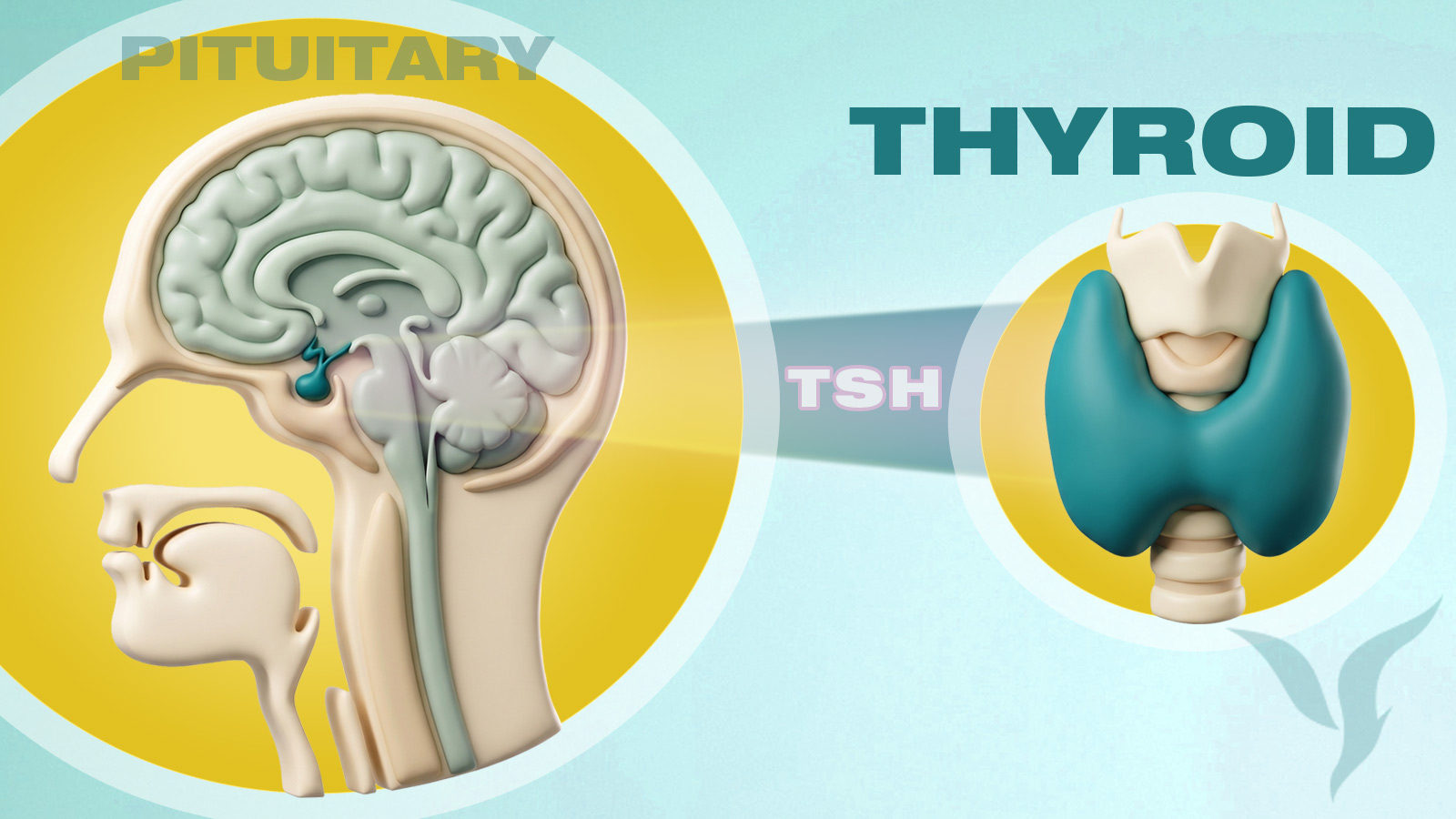
Graphic by Emmanuel Cecilio
A woman came in with a lab report she had been carrying around for two years. One line was circled: TSH, in range. She had been tired that whole time. Her hair was thinning, she was cold when nobody else was, and the weight she had put on would not move no matter what she did about it.
She had been told her thyroid was fine. What she had actually been told was that one number was inside a range, which is not the same sentence.
I want to be careful here, because there is a version of this article all over the internet that ends with everyone having a secret thyroid problem. What I find is usually more ordinary and more fixable than that: it is rarely only the thyroid. Thyroid function does often shift in these years, and it shifts alongside everything else that is shifting. So the question is not only whether something is low. It is what else is going on around it, and what order we deal with it in.
What TSH actually measures
TSH stands for thyroid stimulating hormone, and the useful thing to know is that it comes from your pituitary rather than from your thyroid. Your pituitary is a small gland in your brain — the master gland for all of your hormones, the one that sends out the instructions the rest of the system runs on. So TSH is the message going to the thyroid — an instruction rather than a report. What the thyroid is actually producing, and how much of that reaches the inside of your cells where all the work happens, are separate questions.
It is closer to a thermostat calling for heat than to the temperature of the room. That makes it a genuinely useful number — it is sensitive, it is cheap, and when it is clearly abnormal it tells me something important. It is a reasonable place to start. It is a poor place to stop.
What a TSH result actually measures
It also moves more than most people realize. TSH runs on a daily rhythm, peaking overnight and falling to its lowest point in the late afternoon — enough that the same person can look different depending on what time the blood was drawn. There is published work showing patients who meet the definition of an underactive thyroid on a morning sample and look perfectly normal on an afternoon one. It shifts with illness too, and with how long you have gone without eating, and with sleep. A single value drawn on a Tuesday afternoon is one reading of a system that was never still.
TSH across one full day
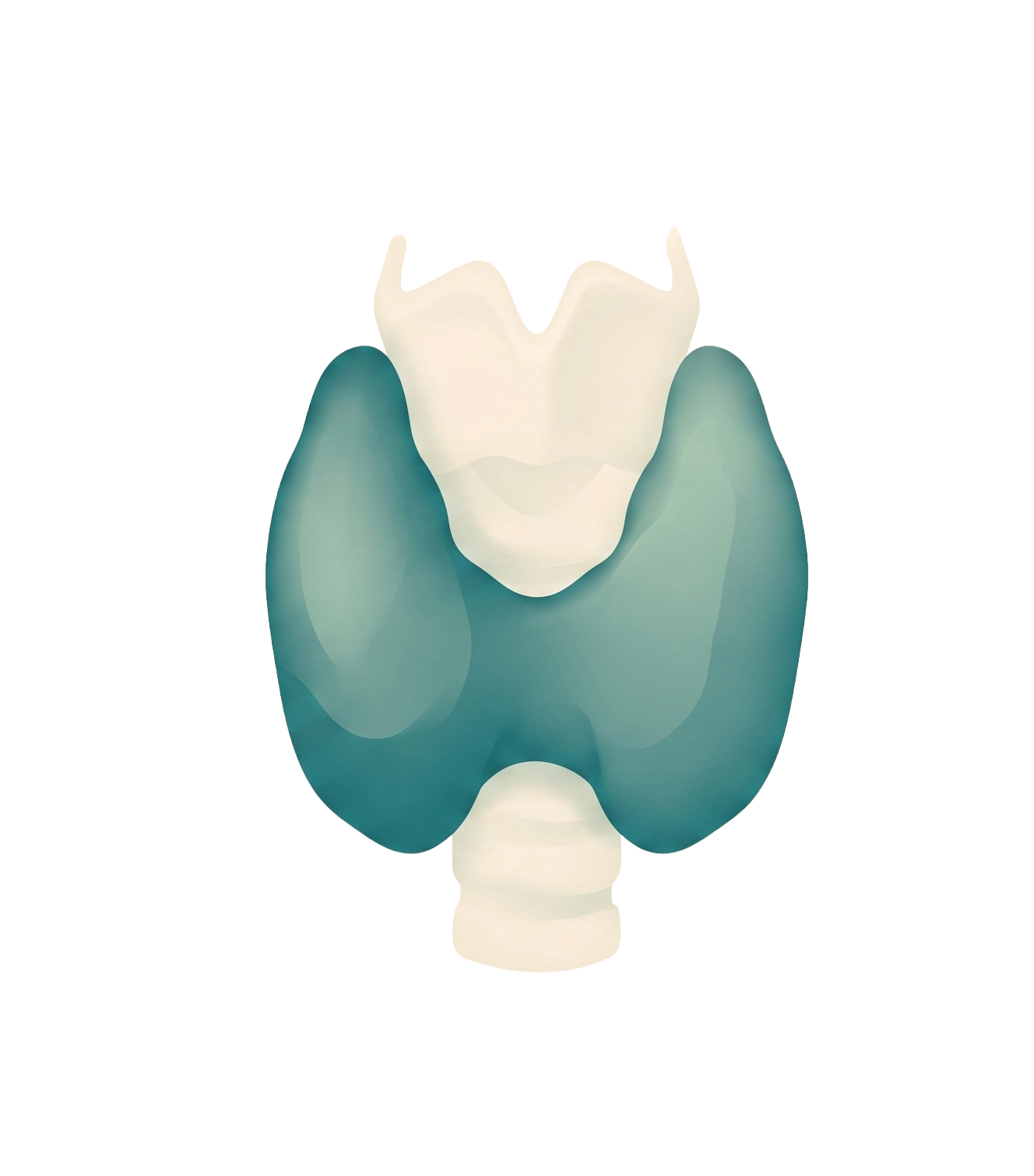
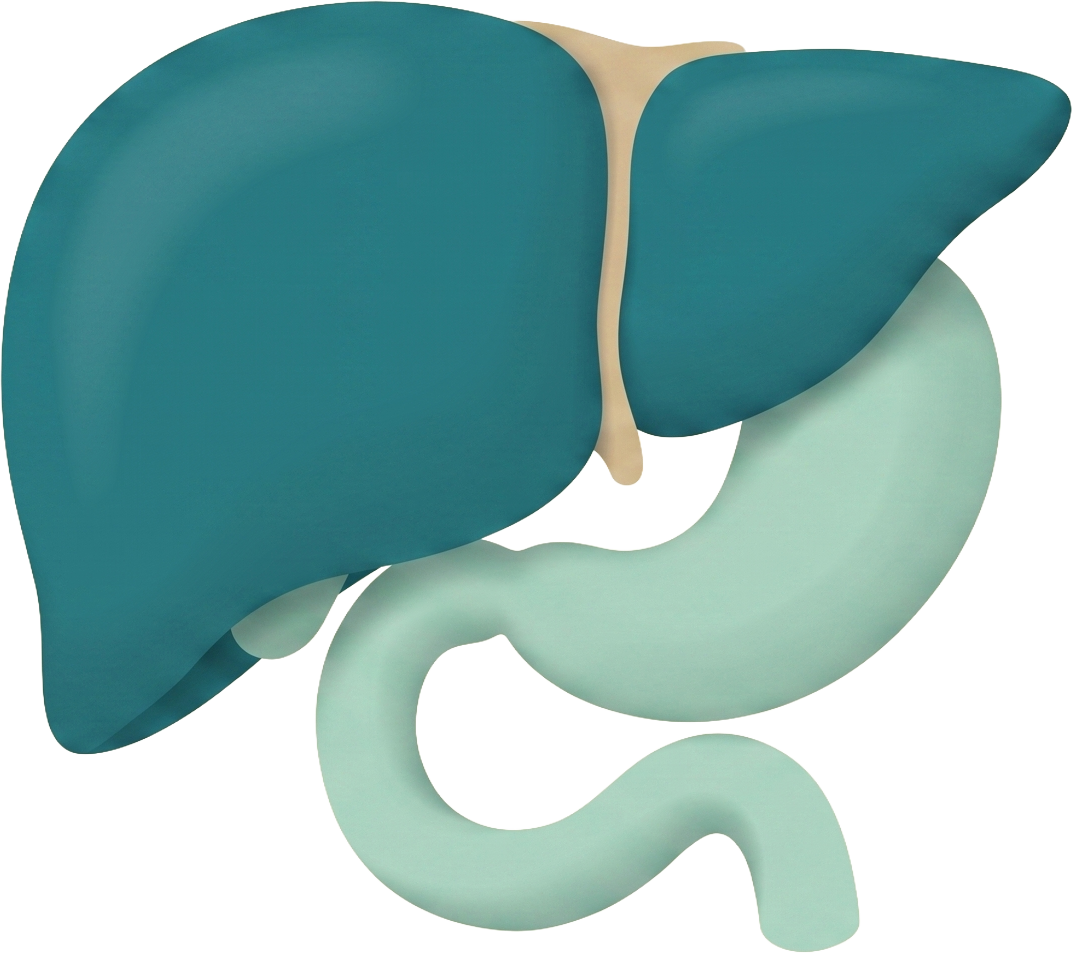
If you would rather watch the whole pathway than read it, here it is start to finish — the order going out from the pituitary, the hormone the thyroid makes in response, the conversion step, and the cells where you actually feel any of it.
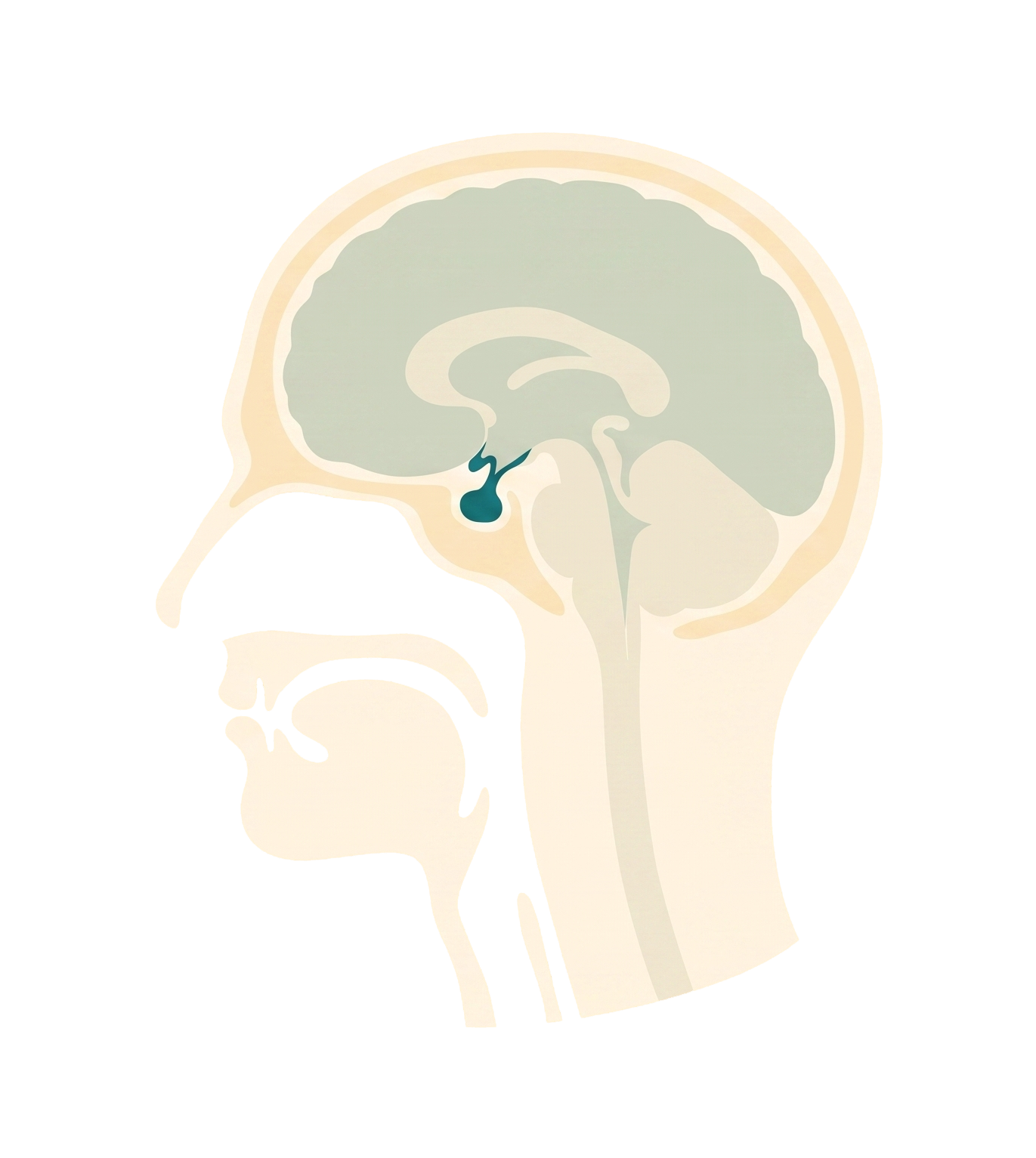

sends the signal
makes the hormone
converts it
use it
And “normal” is a population range
The other half of the problem is the word normal, which promises far less than people reasonably assume.
A reference range is built from a large sample of people who had that test done. Some of them were well. Some of them were not, and simply had not been diagnosed yet — which is particularly true of thyroid disease, because it is common and it is often missed. The range that comes out the other end is wide, and it describes a population rather than a person.
The same number, two different people
So two people can have the same TSH and one of them feels perfectly well while the other does not. Both of them are describing exactly what they feel. The difference is what a population range can and cannot tell you. Where you sit inside a range, and where you sat in it when you felt well, is more informative than whether you are inside it at all.
What I look at when a thyroid panel comes back normal
A lone TSH is the version of this test that most people have had. When somebody has thyroid symptoms and a normal TSH, what I want is the fuller picture, read as one thing rather than line by line.
Free T4 and free T3. These are the actual thyroid hormones, and free means the portion not bound to protein — the part available to be used. T4 is mostly a storage form. T3 is the active one, and most of it is not made by the thyroid at all; it is converted from T4 elsewhere in the body, particularly in the liver and gut. Which means the thyroid can be doing its job while the conversion step is not, and a TSH will not show you that.
TPO antibodies. This is the one most often missing, and the one that most often changes the conversation. Thyroid peroxidase antibodies tell me whether the immune system is involved. That is Hashimoto’s: the immune system gradually wearing down the thyroid instead of leaving it alone, and it is the most common reason a thyroid becomes underactive in this country. It is far more common in women. The antibodies can be positive for years before the TSH ever leaves the range. Someone can be told annually that their thyroid is fine while a slow immune process is already underway. Finding that out is often about watching rather than treating. It means you both stop guessing, and that we watch the right thing at the right interval instead of rechecking one number once a year.
Ferritin, and the rest of the picture around it. Ferritin is the protein iron is stored in, and it is the best single read on your reserves. Low iron will make you feel hypothyroid whatever your TSH says — tired, cold, hair shedding, no stamina — and it also matters for the conversion step above. Vitamin D and B12 belong in the same look, for the same reason: they are common, they are correctable, and they produce exactly these symptoms. I would rather find a low ferritin than a borderline thyroid, because we can do something about it quickly.
What a lone TSH leaves out
Free T4 and free T3
The actual hormones, and the part available to be used
TPO antibodies
Whether the immune system is involved, often years early
Ferritin
Your iron reserves, and the conversion step they support
Vitamin D and B12
Common, correctable, and they produce these exact symptoms
Each of these earns its meaning from the others. Read together, and against your own history rather than against a population, they usually show a pattern.
Why I don’t run reverse T3
If you have spent any time reading about thyroid symptoms you will have met reverse T3, usually presented as the hidden explanation nobody is checking. It is real, and your body makes it on purpose. When you are ill, under-eating, or running on very little for a long stretch, some T4 gets converted into an inactive form instead of the active one. That is the body lowering its own metabolic demand while it deals with something else — a sensible response, not a malfunction.
Which is why the number does not change what I do. A raised reverse T3 tells me the body is conserving, and in the people I see that is almost always a sustained stress response — which we are going to address either way. Ordering the test mostly invites treating the number instead of the reason. If you have read what I wrote about stress, this is the same argument arriving from the other direction.
What else is usually in the picture
Tired, cold, foggy, thinning hair, weight that will not move. Every symptom on that list belongs to several other things as well, which is precisely why it gets misattributed in both directions — sometimes to a thyroid that is fine, and sometimes away from a thyroid that is not.
What you came in with
Tired
Cold when nobody else is
Foggy
Thinning hair
Weight that will not move
What else produces exactly that
Low iron
A vitamin that has been low for years
A perimenopausal shift nobody named
A heavy load carried for a long time
The things I find most often alongside it are low iron, a vitamin that has been low for years, a perimenopausal shift nobody named, and a body that has been carrying a heavy load for a long time. I mean stress in the ordinary sense: work, caregiving, grief, illness, not enough sleep, the things that do not let up. Perimenopause is worth pausing on, because the overlap is almost complete and the timing is unkind: the years when the cycle starts changing are also years when thyroid function commonly shifts. In the women I test through that stretch, a low thyroid and a perimenopausal shift turn up together often enough that I have stopped treating them as alternatives.
And that is the point. An untreated thyroid and low iron will happily coexist, and treating one while ignoring the other is how somebody ends up on medication, correctly, and still feeling unwell — which then gets read as the medication failing.
The order matters
There is one thing I do differently, and it is about order rather than dose. When somebody has been running under a heavy load for a long time, I want that in a better place before we start replacing thyroid hormone. That is not a guess — it is something we can see on paper and follow.
When it happens the other way round, what I see is patients feeling worse rather than better — anxious, heart racing, wired. It gets read as too much medication, or as a side effect of the medication, and in my experience it is usually neither. It is a body that was already running hot underneath being asked to run faster. So we deal with the load first and the thyroid after. That is slower at the start, and much smoother from there.
When both are true, this is the order
Deal with the load that has been running underneath
Correct what is genuinely low, and confirm it actually came up
Replace thyroid hormone, when the thyroid genuinely needs it
If you are already on thyroid medication and you feel that way, tell whoever prescribed it. That is a conversation to have with a person, not with an article.
What actually helps
When the thyroid genuinely needs treating, it gets treated — after that groundwork rather than instead of it. What I would want you to take from this is what “working” should mean: you feeling like yourself again, with the numbers agreeing. Both of those, rather than the number on its own. If one has happened and the other has not, we are not finished. Which medication, and at what dose, is a decision made with your own results in front of us rather than something an article can settle.
The rest of it is unglamorous and it matters more than people expect. Correcting iron when it is low, and confirming it actually came up. Eating enough, with enough protein, because a body being asked to run on too little will turn its own metabolism down and that is not a thyroid problem to solve with a thyroid drug. Sleep, protected before it is perfect. Treating what is genuinely under-treated underneath, whether that is a vitamin, an imbalance in the other hormones, or the load itself.
And re-checking on a schedule that makes sense rather than out of habit. A thyroid picture is a moving thing, especially through the perimenopausal years. One normal result two years ago is a fact about two years ago.
The line circled on that woman’s report was accurate. It was one line, and it had been asked to answer a question it was never able to answer on its own.
A thyroid panel that comes back normal deserves a longer look than it usually gets. Sometimes that look finds a thyroid that is quietly struggling. More often it finds a thyroid that is struggling and something else underneath it — and the something else is usually the part we can fix quickly, and usually the part that has to be dealt with first.
Either way you should leave understanding what your own numbers mean, which is the whole idea behind how we practice. If you would like your own thyroid picture read properly, or you are not sure where to start, you can start here.
Dr. Rowena Chua is the founder of Meliora Integrative Medicine in Evanston, IL and is triple board-certified in Neurology, Integrative Medicine, and Obesity Medicine. A longtime Evanston physician, she specializes in hormonal, metabolic, and neurological health.
Educational only. This article explains physiology; it is not medical advice, a diagnosis, or a treatment plan, and it cannot account for your own history, medications or results. For guidance specific to you, please speak with your physician.
Semper ad Meliora.
Always toward the pursuit of better.
Work with Meliora
Wondering what this looks like for you?
If something here resonated, we'd be glad to help you look at your own picture — your labs, your history, the whole system. That's the heart of how we practice.
Start hereMore from Meliora

Educational
Why I Don’t Test Cortisol — and What Stress Actually Does to Your Body
A woman came to see me who had already been told what was wrong with her. It was stress — told kindly, by a doctor who meant well, and then she was sent home. It is just stress is not a wrong answer. It is an unfinished one. Here is what a sustained load actually does to sleep, weight, digestion and hormones, and why I read what cortisol touches rather than cortisol itself.

Clinical
IV Nutrient Repletion: What It Can and Can’t Do
A patient asked me for the anti-aging drip she’d seen advertised. I asked her what she was actually tired from — and her ferritin turned out to be low. I say no to more IV requests than I say yes to, and that’s the same reason we offer them at all: an infusion is a medical decision, not an experience.

Practice
Why We Teach You Your Own Physiology
Most medicine hands you a conclusion and sends you home. We do the opposite — we teach you how your own body works, read as one connected system across five pillars, because a patient who understands her own physiology makes better decisions every day than any single appointment can. Here’s what that actually looks like.
Subscribe
Get future essays in your inbox.
Clinical perspectives from Dr. Chua and the Meliora team. No spam, no urgency, no nonsense.
Subscribe