
Practice
Why We Teach You Your Own Physiology
Most medicine hands you a conclusion — a label, a prescription, a “your labs are normal.” We do something different. We teach you how your own body works, because a patient who understands her own physiology makes better decisions every day than any single appointment ever could.


Graphic by Emmanuel Cecilio
She came to her first visit carrying a binder. Years of lab work, imaging, and notes from a long line of doctors, all of it neatly organized by date — and none of it connected. Visit by visit, for the better part of fifteen years, she had been told that each number was normal. And yet she was exhausted, her weight would not move, her sleep had come apart, and not once had anyone laid the pages side by side and asked what they meant together.
She did not need another test. She had a binder full of tests. What she had never been given was an understanding — a way to see how the parts of her own body were talking to each other. So that is where we started. Not with a prescription. With a lesson in her own physiology.
Most care hands you a conclusion
The fifteen-minute visit is built to deliver an answer: a diagnosis, a prescription, a reassuring “everything looks normal.” What it is not built to give you is an understanding of the system that produced that answer. And that is the piece that actually matters, because your health is not decided in the appointment. It is decided in the thousand small choices you make between appointments — what you eat, how you sleep, whether you refill the prescription, whether you push through the fatigue or finally ask why it is there.
A patient who understands why makes better choices in all of those moments. That is the entire reason we teach. Not so you can diagnose yourself, and not so you can do my job — but so that the person living in your body every day understands what it is doing and why.
An educated patient is a healthier patient. I have watched it be true for twenty years.
One body, not a list of parts
Conventional medicine is organized by specialty. Your hormones go to one doctor, your gut to another, your mood to a third, and each of them sees a slice. The Meliora Method is built around the opposite conviction: your body is one connected system, and most of the stubborn, dismissed, “it’s probably just age” symptoms live in the connections between the parts, not inside any single one.
So we teach you to see the whole. The Method has five pillars, and I want to be clear about what they are — not five separate treatments, but five ways of reading one system:
- Hormone Rebalancing — the body’s messaging layer. When the messages get erratic, everything downstream feels it. This is why a woman can be years into perimenopause while a single lab still reads “normal,” a gap I have written about before.
- Nutrient Repletion — the raw materials your body is built and run on. A ferritin, a B12, a vitamin D sitting technically “in range” but far from optimal will flatten your energy in a way no prescription fixes — the gap between normal and optimal.
- Gut and Detoxification Optimization — where you actually absorb those materials and clear what you don’t need. You are not only what you eat; you are what you absorb.
- Stress and Nervous System Regulation — as a neurologist, this is the pillar I watch most closely. The nervous system sets the thermostat for everything else, and when it is under-resourced it is one of the most commonly missed drivers of chronic symptoms I see.
- Metabolic and Mitochondrial Support — how you make and spend energy. This is where the scale misleads people most, and why we look at body composition on a DEXA rather than trusting a single number.
Pull on any one of these threads and the others move. That is exactly why we never treat them in isolation — and why understanding the map is worth your time.
Teaching, with real tools
Teaching your own physiology is not a lecture. It is a shared language, and we build it with real instruments. We read your labs against what is optimal, not merely what is normal, and I explain each number until it is genuinely yours. We use a DEXA to show you your body composition instead of a bathroom scale that cannot tell muscle from fat. And between visits, Meli — our AI assistant, grounded in my own clinical protocols — helps you hold onto the thread, so the understanding does not evaporate the moment you leave the office.
I stay the physician through all of it. The tools extend the teaching; they do not replace the judgment behind it. That balance is deliberate.
The honest answer
This approach is slower than a quick fix, and it asks more of you. Understanding your own body takes more than a five-minute visit and a printout on your way out the door. But it is the difference that lasts. When you understand why, you stop needing me for every decision — which is, honestly, the goal. You leave with an education, not just a prescription.
That is what the Meliora Method actually is. Not a protocol I run on you, but a way of seeing your own physiology that stays with you long after the visit ends.
If that is the kind of care you have been looking for, you can read how the Meliora Method works, or request a consultation and we will start with your own body.
Dr. Rowena Chua is the founder of Meliora Integrative Medicine in Evanston, IL and is triple board-certified in Neurology, Integrative Medicine, and Obesity Medicine. A longtime Evanston physician, she specializes in hormonal, metabolic, and neurological health.
Educational only. This article explains physiology; it is not medical advice, a diagnosis, or a treatment plan, and it cannot account for your own history, medications or results. For guidance specific to you, please speak with your physician.
Semper ad Meliora.
Always toward the pursuit of better.
Work with Meliora
Wondering what this looks like for you?
If something here resonated, we'd be glad to help you look at your own picture — your labs, your history, the whole system. That's the heart of how we practice.
Start hereMore from Meliora
Clinical
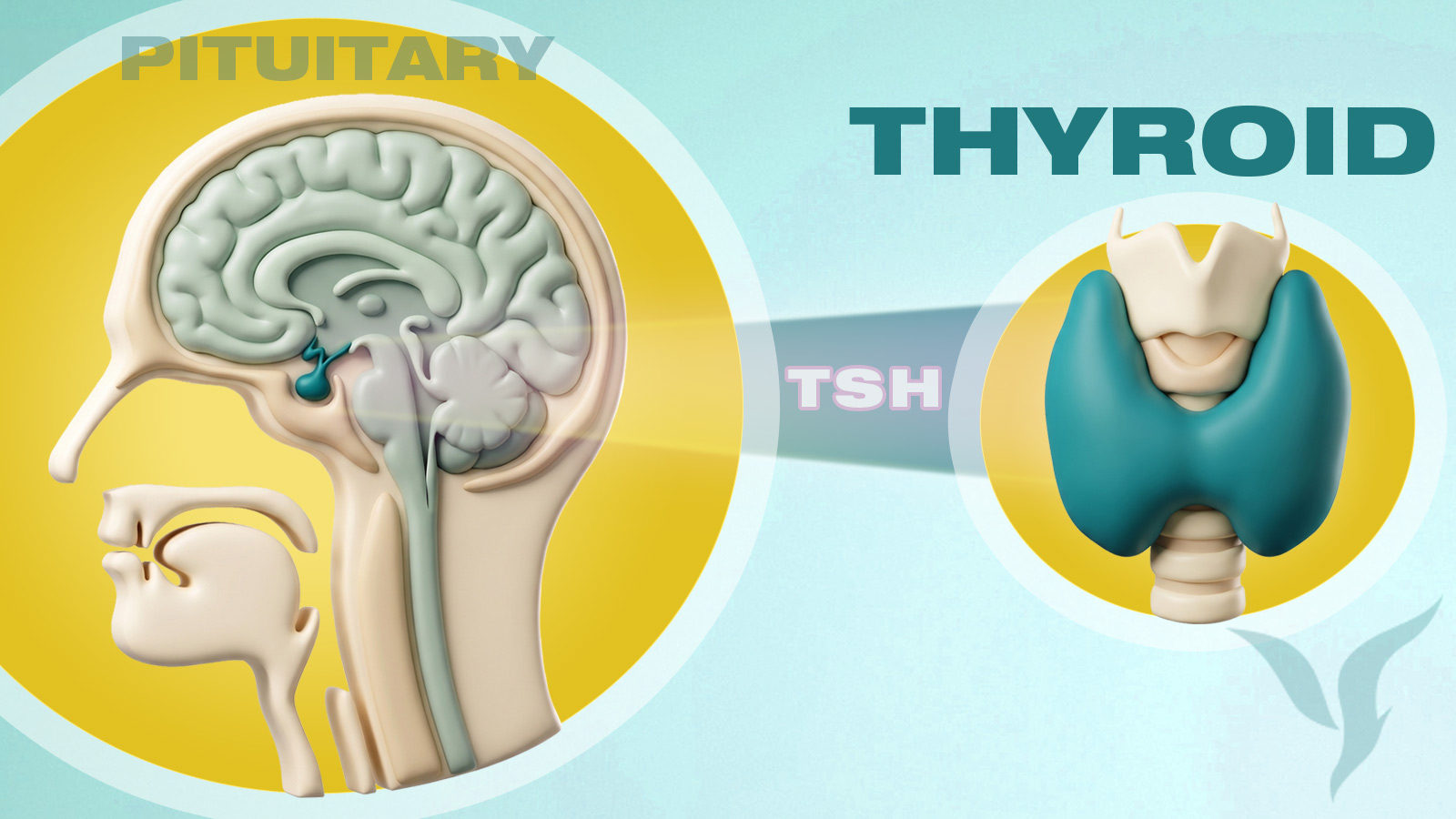
Your TSH Is “Normal.” That Doesn’t Mean Your Thyroid Is Fine.
One number inside a range is not the same sentence as “your thyroid is fine.” What TSH actually measures, why a population range was never able to describe you, and what I look at when the panel comes back normal.

Educational
Why I Don’t Test Cortisol — and What Stress Actually Does to Your Body
A woman came to see me who had already been told what was wrong with her. It was stress — told kindly, by a doctor who meant well, and then she was sent home. It is just stress is not a wrong answer. It is an unfinished one. Here is what a sustained load actually does to sleep, weight, digestion and hormones, and why I read what cortisol touches rather than cortisol itself.
Clinical
IV Nutrient Repletion: What It Can and Can’t Do
A patient asked me for the anti-aging drip she’d seen advertised. I asked her what she was actually tired from — and her ferritin turned out to be low. I say no to more IV requests than I say yes to, and that’s the same reason we offer them at all: an infusion is a medical decision, not an experience.
Subscribe
Get future essays in your inbox.
Clinical perspectives from Dr. Chua and the Meliora team. No spam, no urgency, no nonsense.
Subscribe